“I feel most spiritual when I’m out in the woods. I feel part of nature. Or looking up at the stars. Now I say, it’s all according to your definition of God. God is everything. Whenever I open my eyes I’m looking at God.” – Pete Seeger, 2007
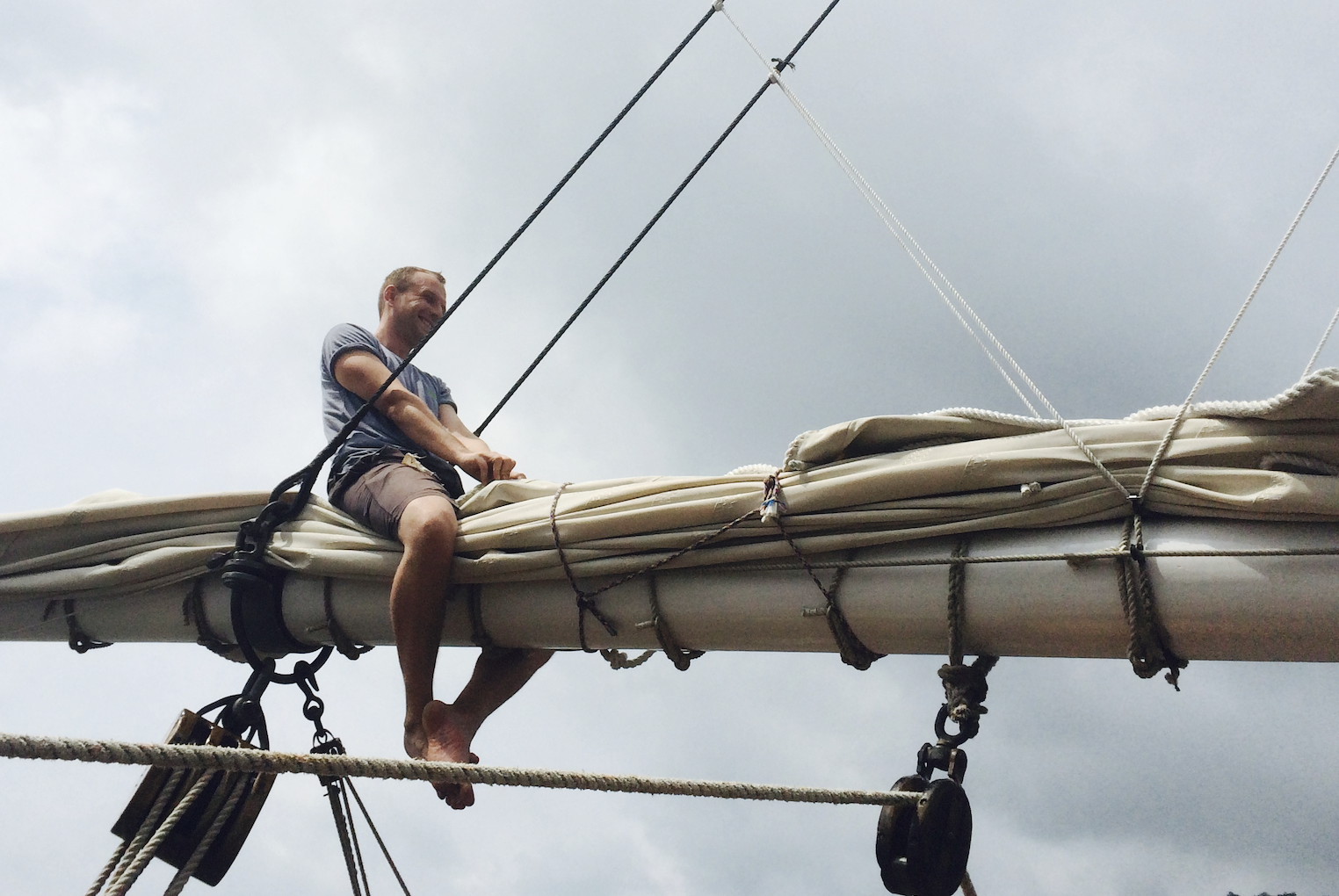
Nick Lacy Photo
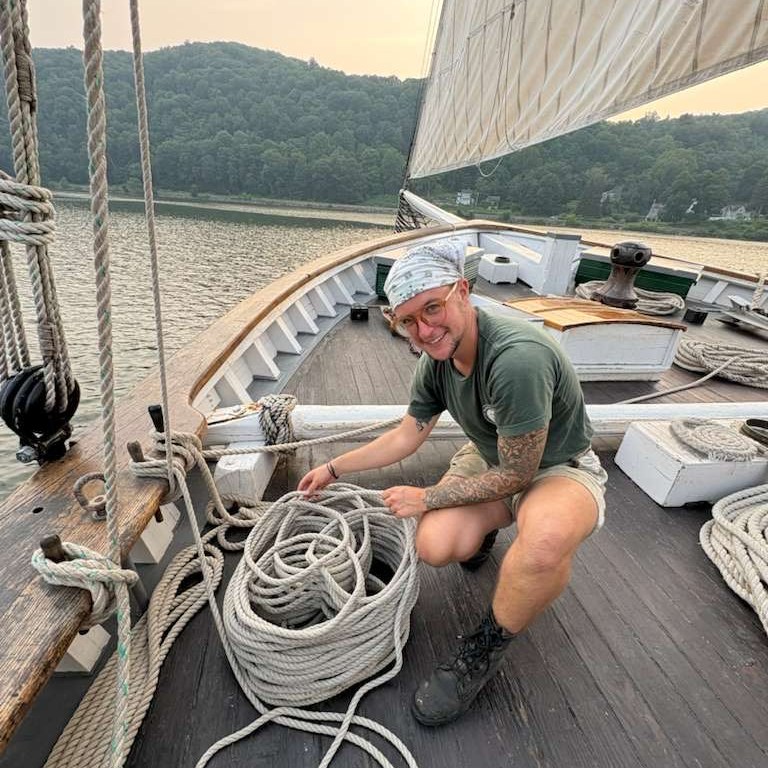
When a passenger or volunteer asks me, “what brought you to Clearwater?” I have about eight different answers, all of them true, and they’re the casual ones. The response most people won’t receive – the personal one – is that some mystical orchestration brought me here to address a spiritual inquiry. My relationship with Clearwater has peppered a three-year seminary education in post-Christian theological ethics. I began my master’s program with an earnest question about how spiritual traditions could be reimagined in an age in which conventional religion fails its ethical task. Expecting answers in seminary, I instead found them on the Sloop.
This mystical orchestration included my introduction to Seeger and other workers’ folk tunes through David Littlefield onboard the Mystic Whaler in 2012, and, much later, a happenstance housemate who came off a tall ship (which I later learned was the Clearwater) into my Oregon home in 2020. When I answered the call to seminary in 2022, my Mennonite church ceremonially sent me off with my favorite Pete Seeger song, “O Healing River” (religious people and mariners have rites of passage in common). With more synchronicities, facilitated by a move to New York, I found myself volunteering on Clearwater in 2023 and returning between every semester. I began to find traces of the boat all over my writing, leading me to discover the post-Christian theological ethics I sought – one to the tune of the shipboard context, and the unique timbre of the Clearwater.
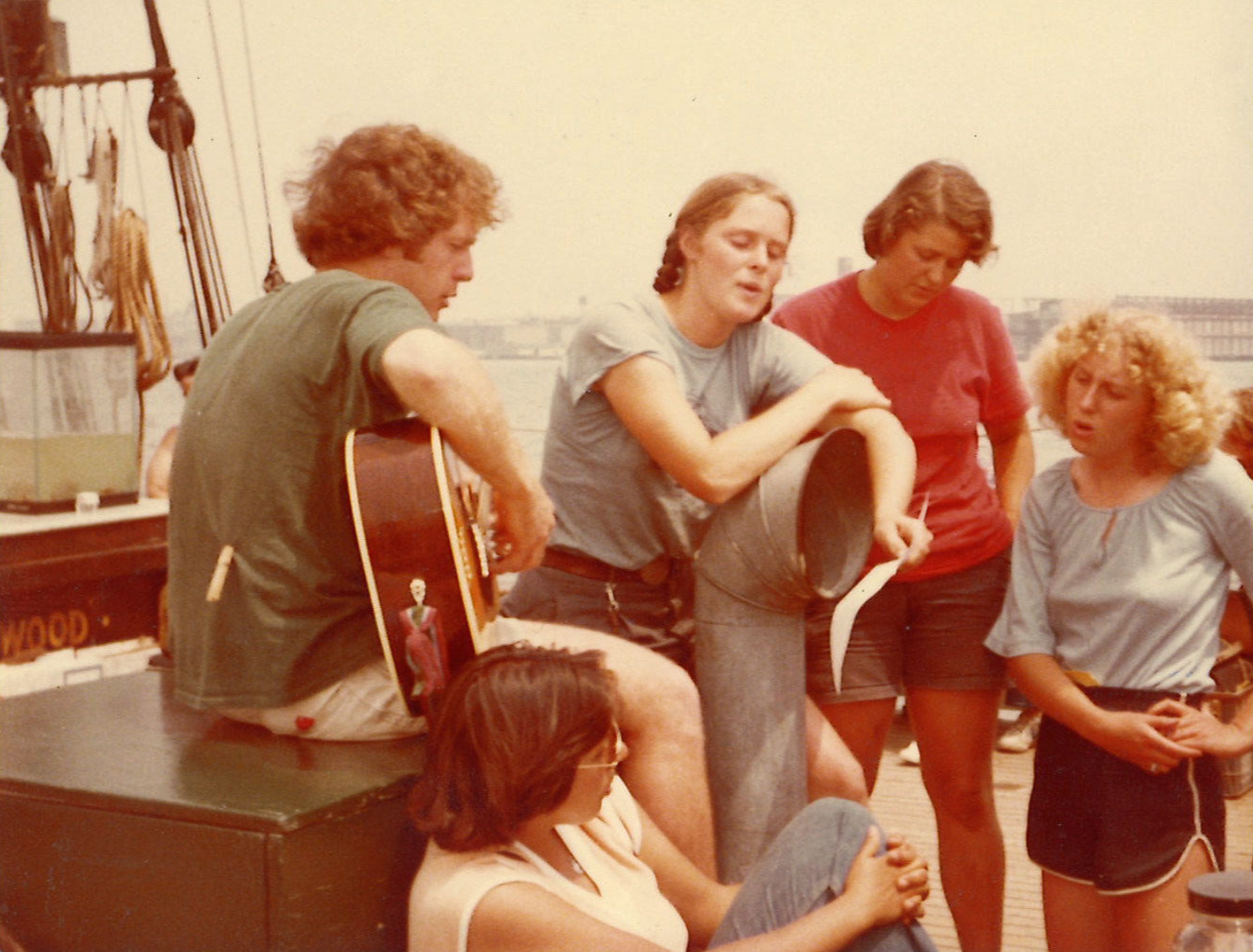
 While Pete was many things to many people, I came to know him through his spiritually rooted activist songs that speak to a particular ethical orientation to the world – that of beauty, justice, and bold hope. Clearwater, as both a vessel and a community, symbolizes a theopoetics of a better world to come, a river running clear, a mystical space that is both “already here, but not yet” (the religious folk call this eschatology). What Pete and Toshi birthed as a vision, each year’s crew decides how to shape.
One of my favorite ethicists, Emilie Townes, talks about the power of “what we do every day that shapes us,” and how this has more bearing than any newsworthy acts on resisting what she calls “the cultural production of evil.” Our history is marked by the everydayness, the encroaching banality, of evil, whether it takes the form of unrestricted capitalist production and dumping of PCBs into the Hudson, or the recent constellation of ICE raids along our river towns. The choice Pete and his cofounders made to build a boat and reveal to people what is sacred and have them experience it for themselves rather than preach at them in a church was in itself an ethics and pedagogy of everydayness to cultivate active hope. For me, Pete is the patron saint of “show, don’t tell.”
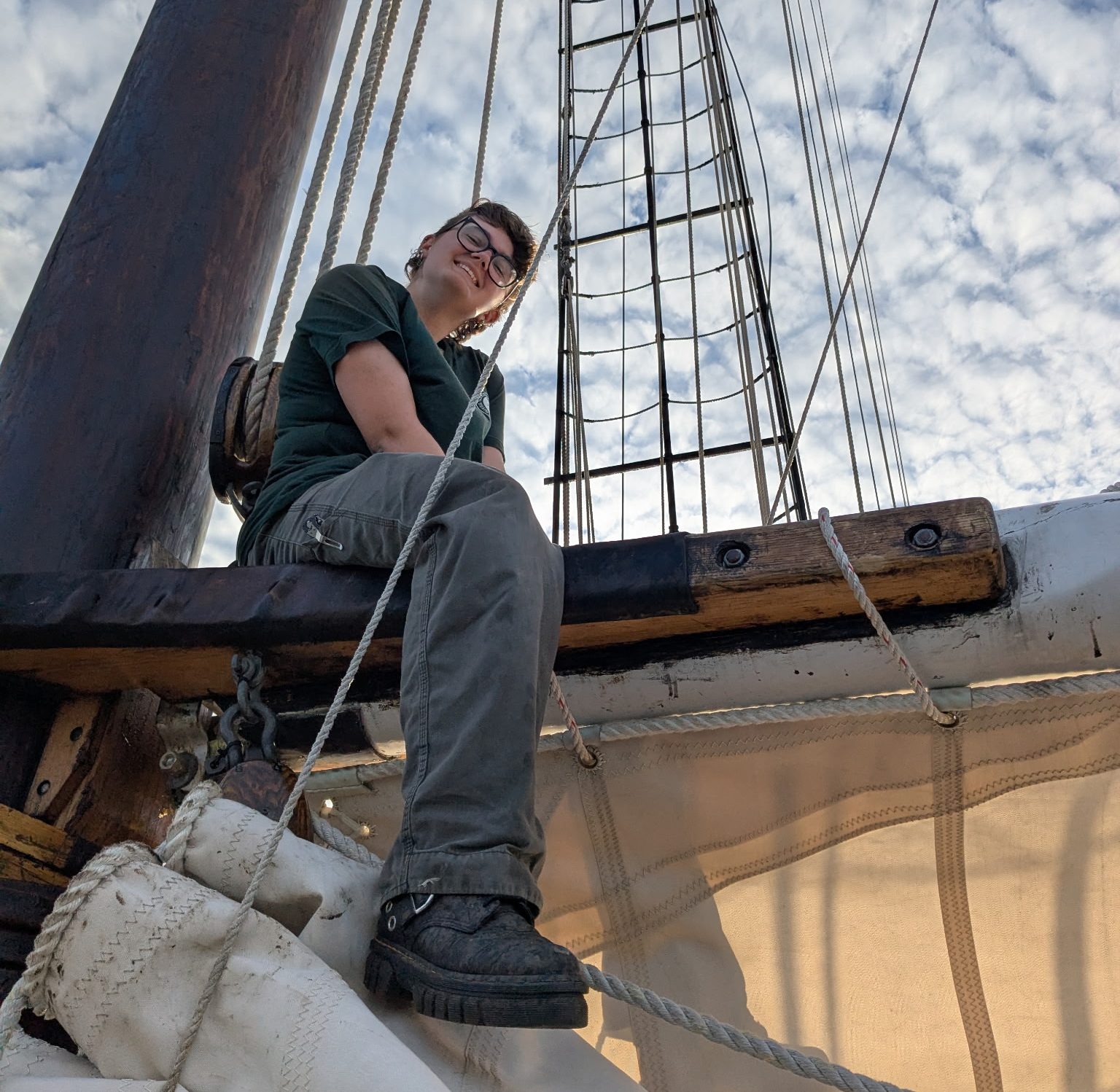
Nick Lacy Photo

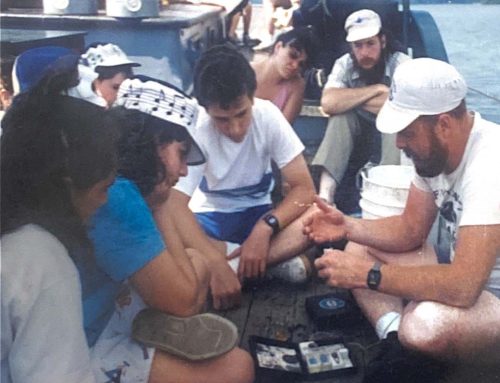
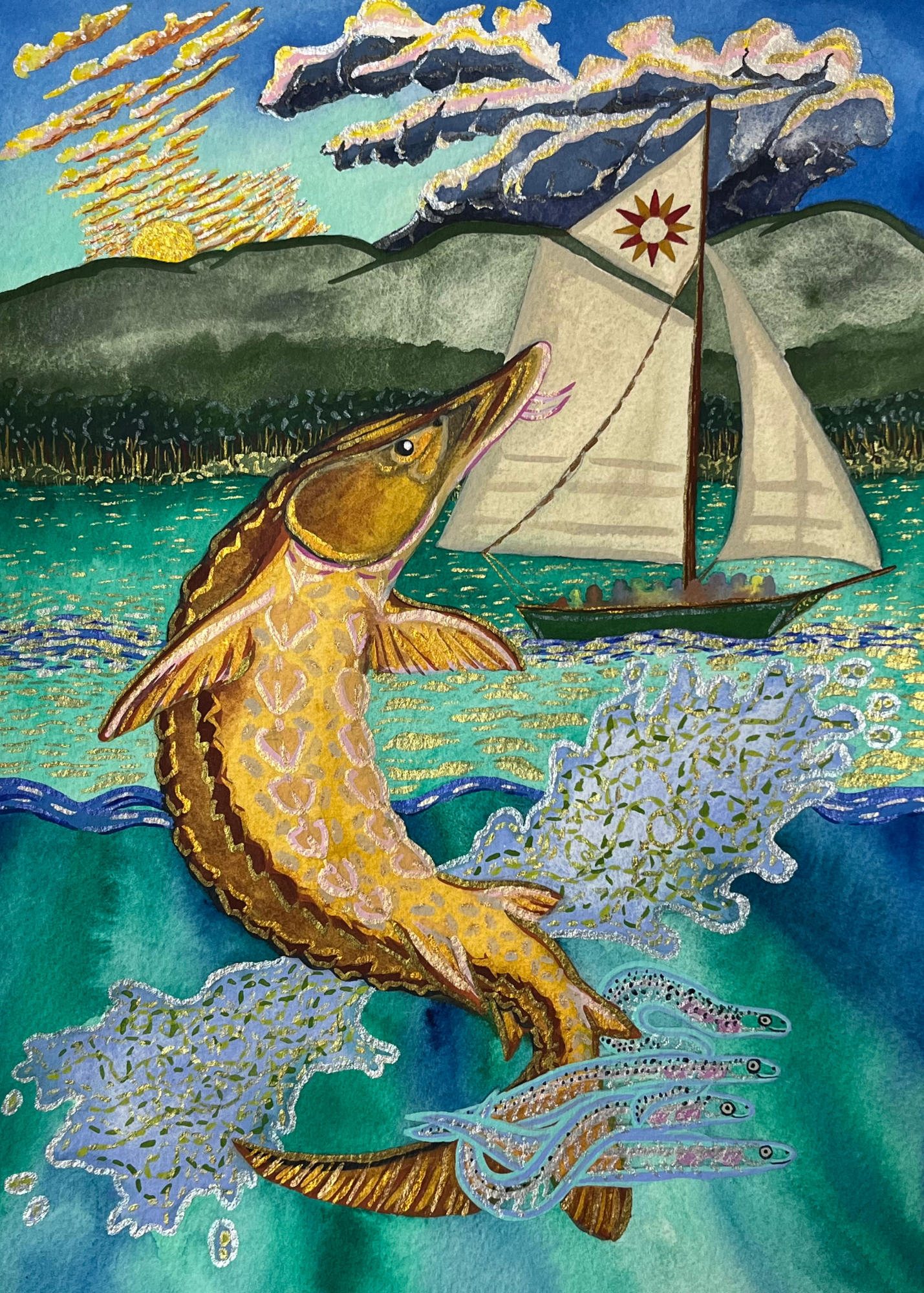
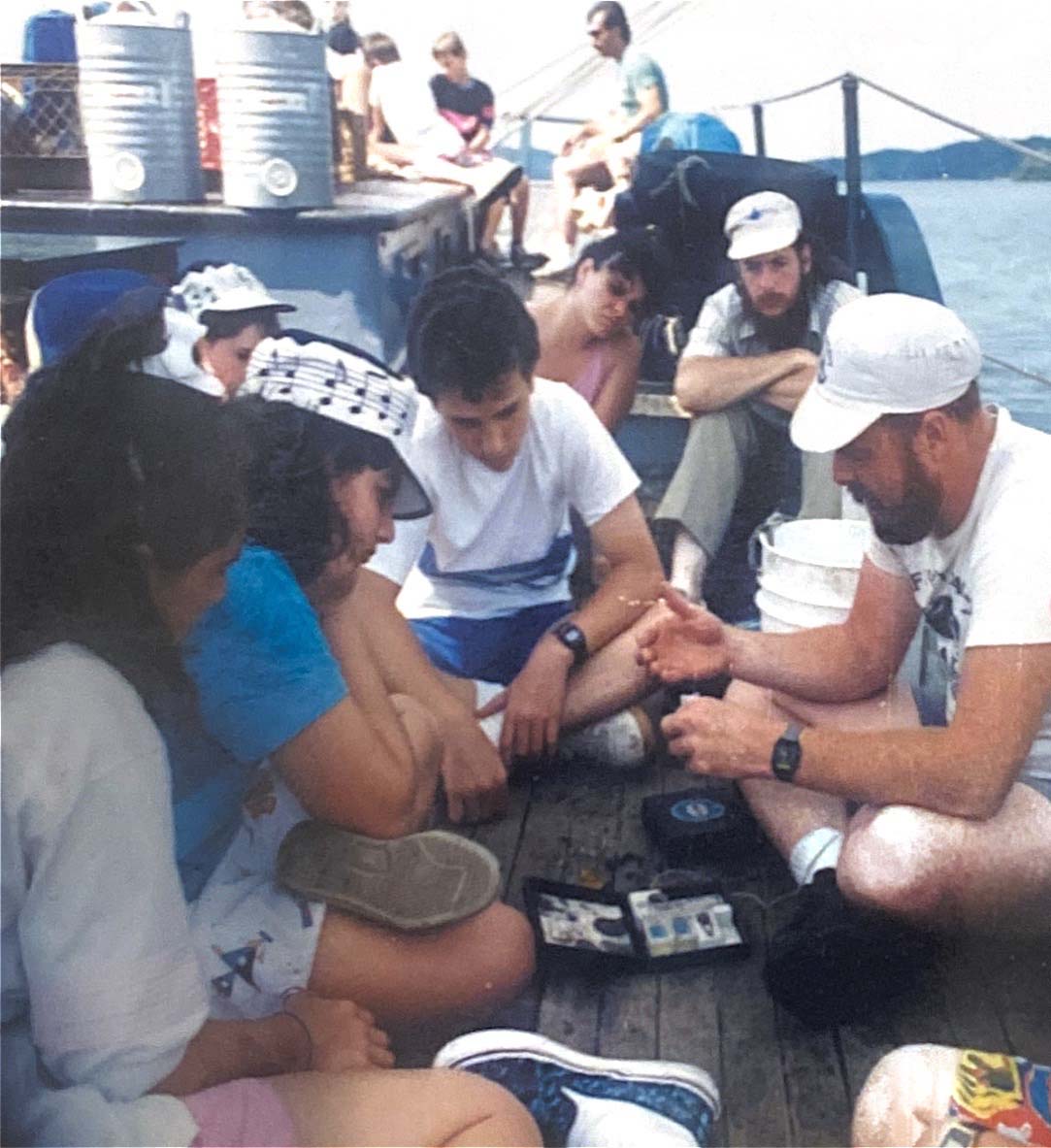
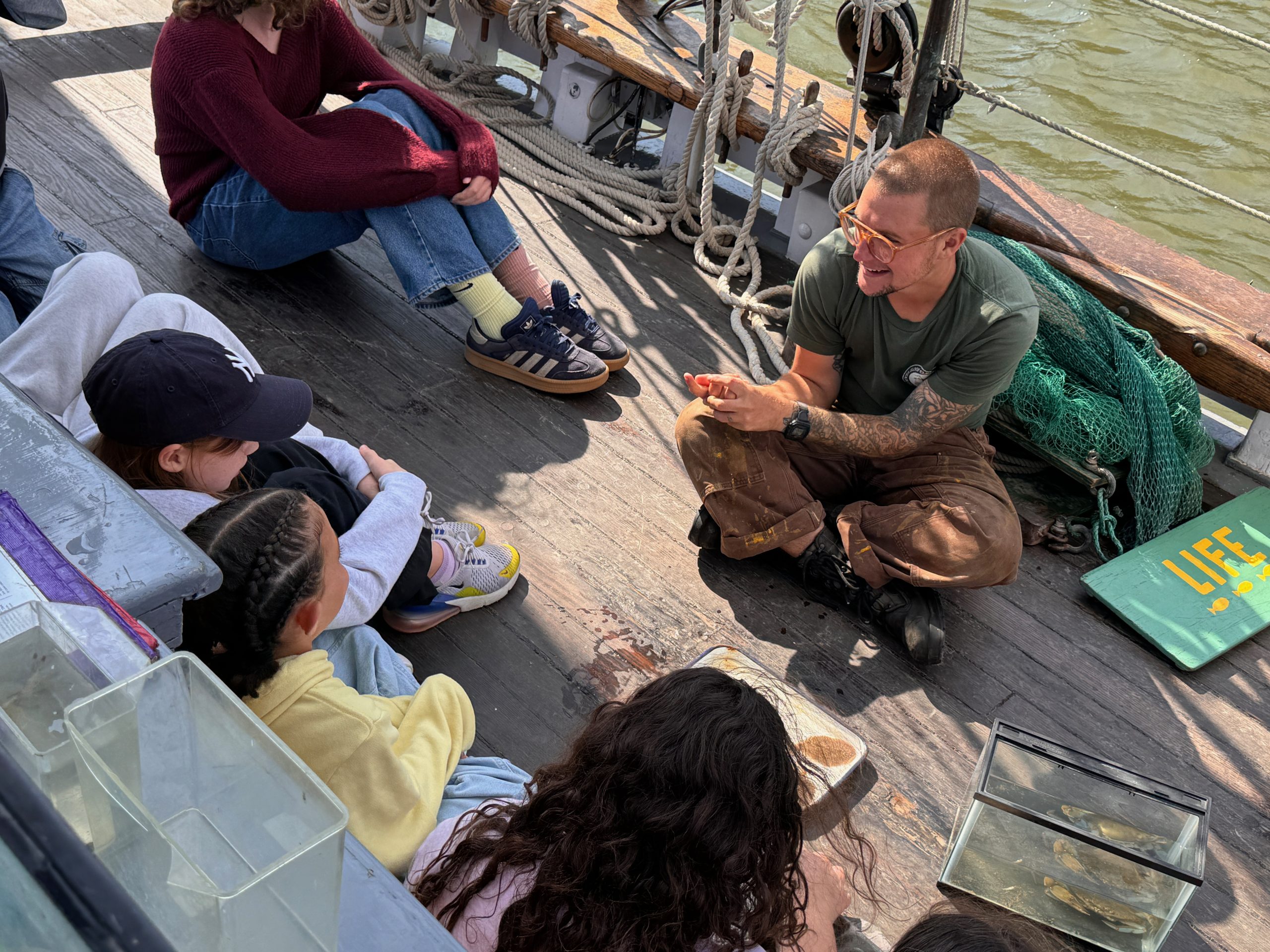
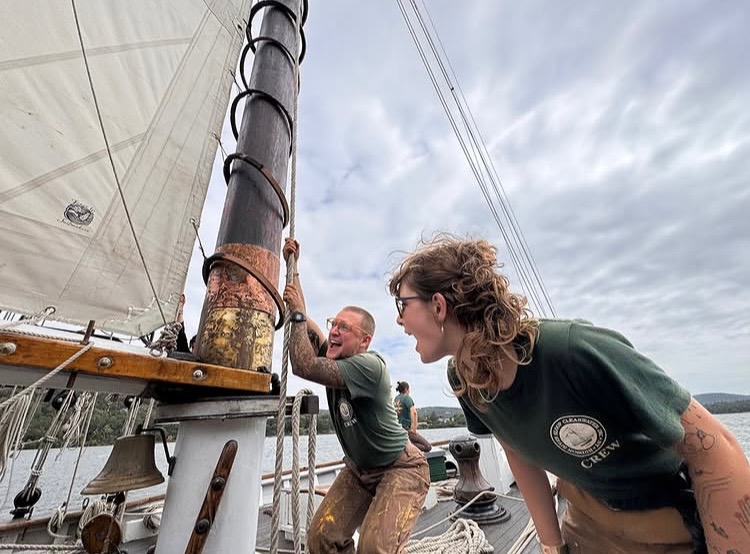
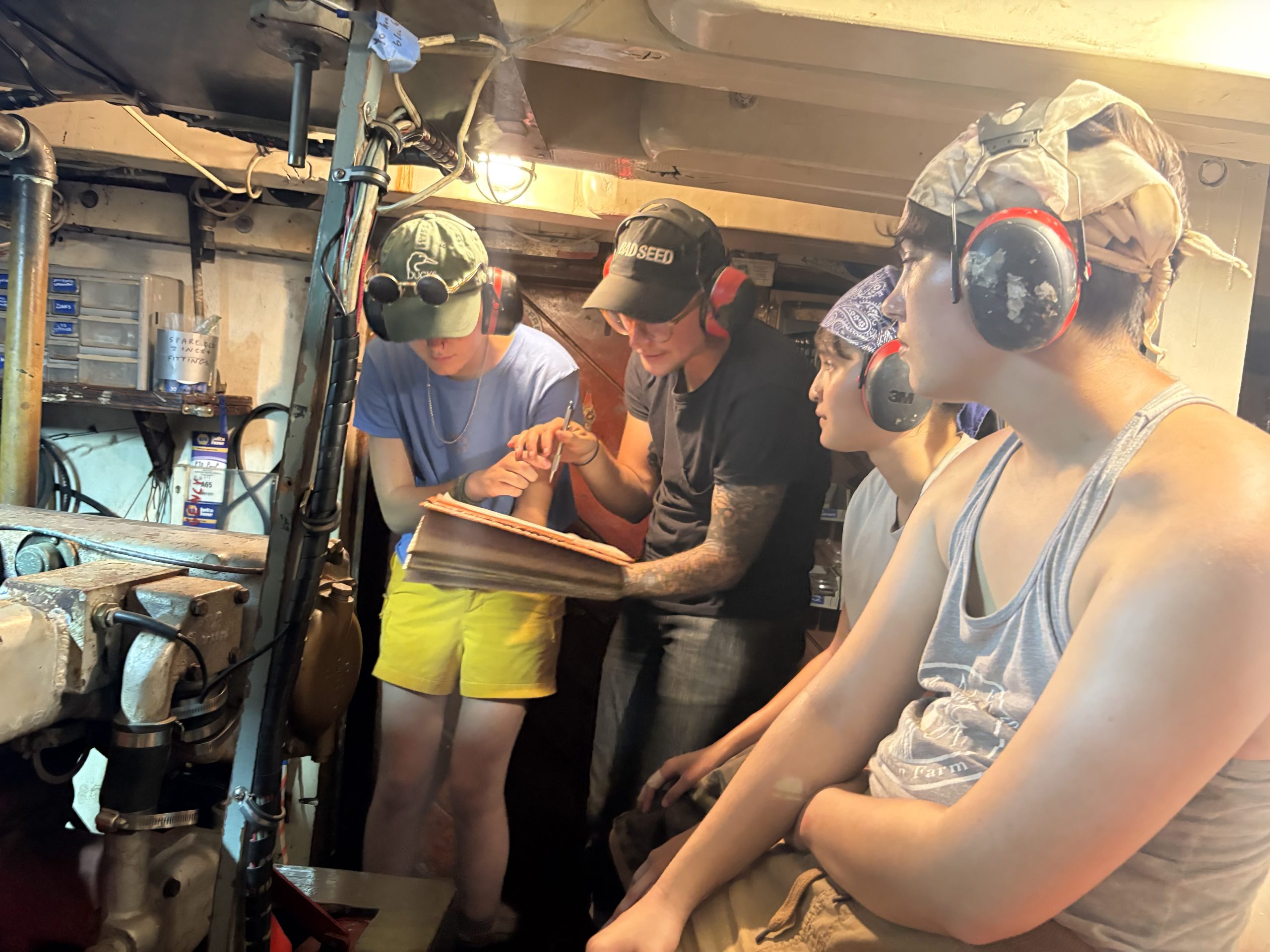
Clearwater contains in her bones – through the thousands of working hands who have built and maintained her – a humbling demand for an everyday practice of beauty, justice and bold hope. Perhaps it is sitting on the deck and teaching the kids to relate to fish with an orientation of wonder and curiosity. Perhaps it’s teaching a youth empowerment program participant to tend the jib where they pay attention to the wind and, for the first time, attune to their dependency on something that is greater than themselves. Perhaps it is hauling a halyard and realizing individualism or being a hero will usually get you injured. Perhaps it is the dedicated stewardship of putting one’s head deep into the bilge to listen for leaks, or in mending what is broken over and over again because that is what care requires. Perhaps there is something about the Maheakanatuk, the cormorant and sturgeon that reminds us to pay attention, because so many of us have stopped paying attention to what is just and what is beautiful. And perhaps this river that flows both ways reminds us of the mutability of our realities and the hopeful possibility of all that is mysterious.
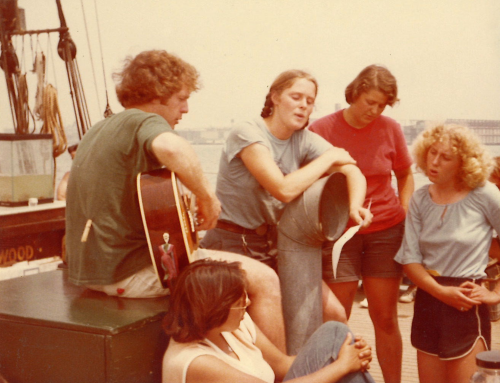
 Beauty, justice and hope are not the products of a flimsy romanticism. They are challenging practices that demand dedication, presence, and forbearance. In an era in which we have been deadened to the suffering of the world through a sensationalized news cycle, such attentive, stewarding presence to beauty, to justice, and to hope, may be one of our greatest tools in resisting the cultural production of evil. Mariners often speak about the selflessness and humility that a ship will demand of you daily: the prioritization of ship, shipmate, self. Clearwater brings this to greater heights with a legacy of music and activism that asks that our daily work is grounded in such quiet hope. It is the sacred practice of sailing along this river, toiling with shipmates, and dreaming with students, that reminds me to see God in everything. That, I think, is hope’s substance.
About Alexandr:
Alexandr is the Clearwater’s Engineer and a jack of all trades from Springfield, Oregon. He spent the last three years in New York completing his Master of Divinity and working onboard the Clearwater, and is fondly known as the “Enginaplain,” chaplain of humans and machines. In his downtime, he loves to learn new crafts, traipse through coastal woodlands, compose music, and cook meals with loved ones near and far.
For almost sixty years, Clearwater has nurtured a deep and abiding love for the Hudson River because of the generosity of donors like you. Help us keep the Clearwater magic alive and the sloop sailing for the next generation.