For more than half a century, Clearwater has worked to protect the Hudson River through grassroots organizing in waterfront/Hudson Valley communities. Over the years Clearwater has been instrumental in advocating for the closure and now for the safe decommissioning of the Indian Point Nuclear Power Plant, for a comprehensive cleanup of General Electric’s legacy polychlorinated biphenyls (PCBs) pollution, and countless other campaigns that protect the Hudson River and the well-being of the residents on its shores.
Clearwater remains committed to our mission to protect the Hudson River, and to our efforts to raise public awareness of the issues threatening the river. We believe an educated and engaged citizenry is a powerful force for change.
Request a speaker from Clearwater
Stand up for the Hudson River – Ways to take action:
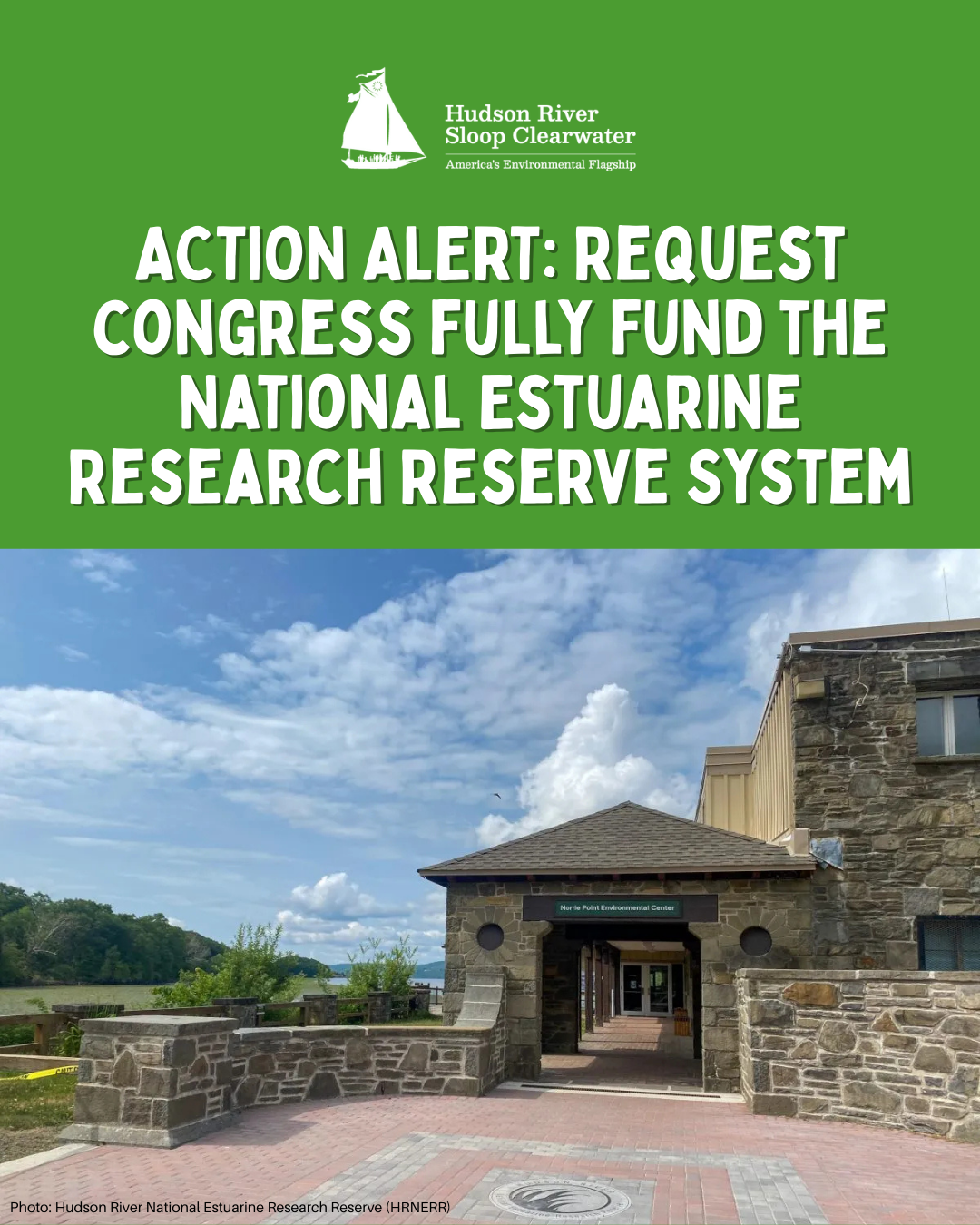 With federal cuts looming, funding for the National Estuarine Research Reserve System (NERRS) is at risk!
Since 1972, NERRS has protected 29 ecologically significant sites in 23 coastal states and Puerto Rico protecting critical habitat for hundreds of rare and endangered species and conducting important scientific research.
The Hudson Valley is home to the Hudson River Estuarine Research Reserve (HRNERR), which manages four unique wetland areas, operates the Norrie Point Environmental Center, monitors water quality in real time, and helps communities plan for resilience. HRNERR programs, engages thousands of students, teachers, and community members each year through citizen science programs.
This critical work depends on federal funding – request Congress fully fund the National Estuarine Research Reserve System. Sign the letter to Congress.
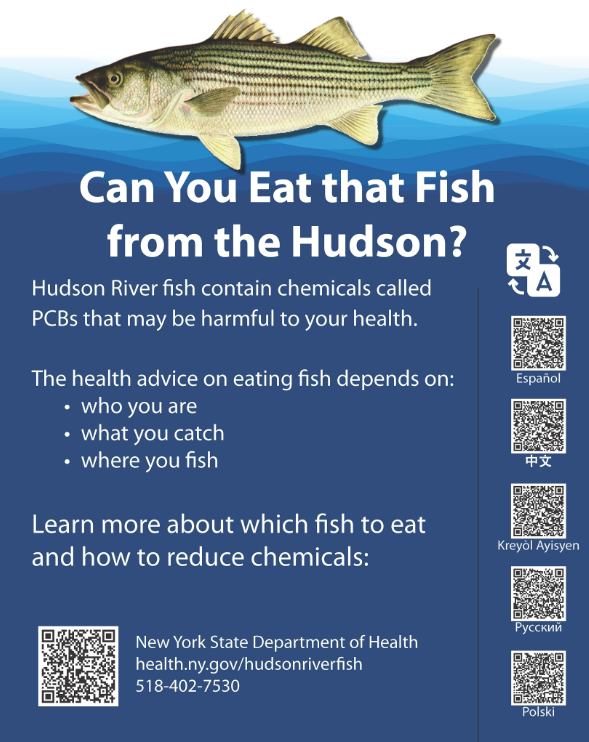
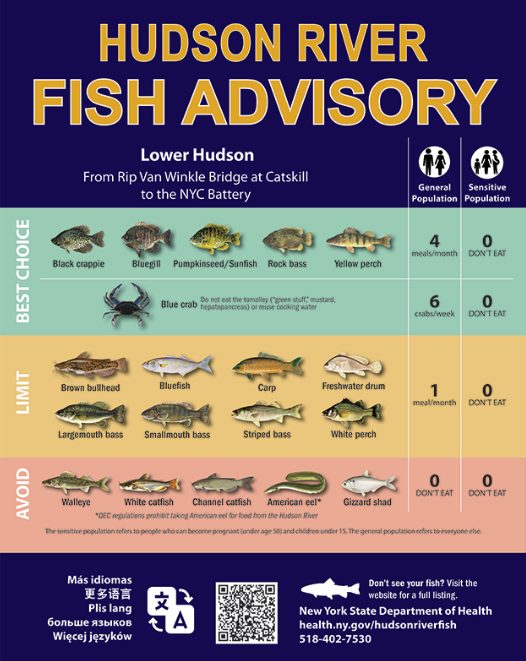 Take Action: Comment on NYSDOH’s new Hudson River fish advisory signs
The Hudson River Fish Advisory Outreach Project is updating the language and design of Hudson River Hudson River Polychlorinated Biphenyl fish advisory signs posted at public access fishing locations. The goal of the project is to ensure Hudson River anglers are aware of NYSDOH’s advice on eating fish.
The NYSDOH is seeking feedback from the public on which signs they prefer in addition to testing signs at several locations across the region. Sign the Survey
Clearwater’s Advocacy Priorities (2024-2025)
PCBs
Between 1947-1977 General Electric discharged over one million pounds of toxic polychlorinated biphenyls (PCBs) into the Hudson River, creating one of the largest Superfund Sites in the United States. PCBs take decades to break down and have accumulated in the sediment, water, and wildlife posing risks to ecological and human health. A review of the Superfund cleanup is due every 5-years, including a report on how successful the cleanup remedy has been, known as a Protectiveness Determination. Clearwater will be carefully watching this process along with our partners Friends of a Clean Hudson, and will keep the public engaged and informed. Learn more about General Electric’s polychlorinated biphenyls (PCBs) contamination of the Hudson River.
Indian Point
After decades of grassroots advocacy and legal action by Clearwater and our partners, the last reactor at the Indian Point Nuclear Power Plant closed in April 2021. In collaboration with the Indian Point Convergence, Clearwater successfully championed the creation of a Decommissioning Oversight Board to oversee the decommissioning of the facility. Clearwater continues to be an active advocate and ally to the community striving to ensure the safest decommissioning possible. Learn more about our work on Indian Point.
Newburgh PFAS Drinking Source Water Contamination
The City of Newburgh’s drinking water source, Washington Lake was contaminated with Per- and poly-fluoroalkyl substances (PFAS) from firefighting foam runoff from Stewart Air National Guard Base. PFAS has been linked to increased cholesterol, increased risk of high blood pressure in pregnant women, decreased infant birth rates, and heightened risks of kidney or testicular cancer. Since May 2, 2016, the City of Newburgh has received drinking water from alternative sources, though PFAS-contaminated Washington Lake remains the permanent drinking water source for the City of Newburgh. Clearwater is a member of the Restoration Advisory Board and joins the community in advocating for timely remediation of Washington Lake. Learn more about Newburgh’s drinking source water contamination.
New York State Canal System + Invasive Species
The Erie Canal and Mohawk River have become a thoroughfare for invasive species to enter the Hudson River from the Great Lakes. A recent example is the round goby – native to Eurasia, gobies are voracious feeders, reproduce rapidly, and compete with native species for food, habitat, and spawning areas. The spread of non-native species into the Hudson through the canal is not a new occurrence, and unless swift action is taken, it will not be the last. On the horizon are species including invasive carp, which are populous in the Mississippi watershed and on the doorstep of the Great Lakes Watershed. Once there, they could follow the goby’s route to the Hudson.
Swimmable Hudson
Clearwater was an instrumental force in the initial passage of the Clean Water Act in 1972, which established goals of zero water pollution discharges by 1985 and for all U.S. waters to be swimmable and fishable by 1983. Nearly 40 years later, the Hudson River ecosystem and swimmability are improving, but discharges continue, the river is not always safe for swimming and significant fish consumption advisories remain in place. Clearwater will continue to support efforts to improve water quality and quicken progress toward CWA goals, through advocacy, education, and amplifying the desire of communities to fish and swim in the Hudson River safely.
For more information about Clearwater’s Environmental Action work, contact Jen Benson, Environmental Action Director at jen@clearwater.org.
Help us continue our efforts to protect the Hudson River. Support Clearwater’s Environmental Action efforts.
Recent blog posts

Clearwater Statement Regarding the Court’s Decision to Uphold the NYS DEC’s Denial of a Title V Air Permit
Clearwater applauds the Court’s June 8th, 2022 decision to affirm the New York State Department of Environmental Conservation's authority to deny Danskammer's air permit and views it as a major victory for the Stop [...]
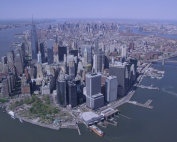
June 2022: EA Update
June 2022 Environmental Action Update NYS Freshwater Wetlands Act passes, is signed and funded: Small wetlands hold huge amounts of stormwater, store more carbon than forests do, and filter pollution. Recently the New York State [...]

May 2022: EA Update
May 2022 Environmental Update NY-NJ Watershed Protection Act: The New York-New Jersey Watershed Protection Act would provide $50 million, as well as technical support from federal agencies, for watershed protection at a time when the [...]
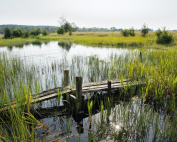
April 2022: EA Update
April 2022 Environmental Action Update A recent Supreme Court Decision weakens the Clean Water Act (CWA), while the inclusion of Freshwater Wetlands in NYS Budget strengthens it. Last week was a case of bad news [...]

Clearwater’s Response to Supreme Court Ruling Restricting CWA Enforcement
Clearwater’s Response to April 6th 2022 Supreme Court Ruling Restricting CWA Enforcement Hudson River Sloop Clearwater is strongly dismayed by the Supreme Court's April 6th decision to reinstate a Trump administration regulation that restricted the [...]

March 2022 EA Update
March 2022 Environmental Action Update Municipal Solar Mapping Project: The Fall 2021 of the training was hugely successful with 12 municipalities completing the 5-session course using Scenic Hudson’s How to Solar Mapping Toolkit and Worksheet. [...]
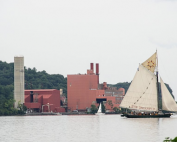
February 2022 EA Update
February 2022 Environmental Action Update Chelsea Sophie New EA Interns: Clearwater’s Environmental Action welcomes two new interns for the Spring semester. [...]
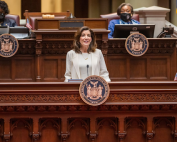
January 2022 EA Update
January 2022 Environmental Action Update New Emerging Contaminants Legislation Signed in Albany: This new law will establish the most comprehensive drinking water testing and notification program for PFAS in the country. 23 PFAS will be [...]