Hands-on Learning for all ages on the river, along the shoreline, or in-classroom – find the program that’s right for your group, class, or student!
Clearwater offers a variety of Hudson River-based environmental education programs. Our signature program is the “Sailing Classroom” aboard the Sloop Clearwater which has become a model for onboard education programs across the country. Clearwater also offers a variety of onshore programming along the Hudson River in our “Tideline” program as well as in-class programming during which we bring a bit of the Hudson River to you. Clearwater’s interactive education programs provide hands-on learning to engage students and promote “learning by doing.” These programs can be catered to various ages and specialized to meet the needs of the students and teachers. Please see our education programs brochure, or the information below for more detailed program descriptions.
Learn more about our Education Programs below. If you have questions, contact Eli Schloss at eli@clearwater.org.
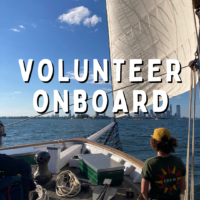
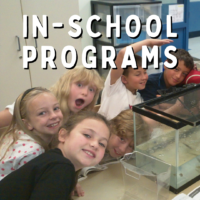
Brief program descriptions are below – click the boxes above the access full information about each of our education programs.
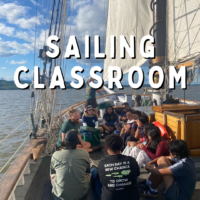
Sailing Classroom
In this two- to three-hour shipboard program, students participate in inquiry-based learning stations to identify Hudson River organisms perform water quality tests, explore indigenous history, and help navigate the ship. Students also work together to raise the sails, go fishing, and sing shanties.
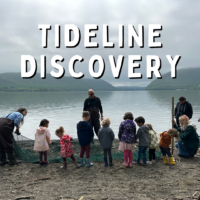
Tideline Program
During our shore-side Tideline Program, students evaluate the health of the river through firsthand interactions with the aquatic ecosystem as they catch, identify, and release fish and invertebrates, connecting the ecology and environmental challenges of the river to their own lives.
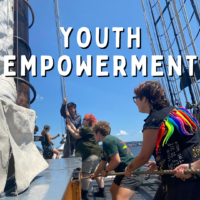
Youth Empowerment Programs
Our Youth Empowerment Programs, Queerwater (LGBTQ+), Young Women, and Young Men at the Helm programs are three-day summer experiences for youth ages 14-18 incorporating leadership development, team building, science, and sailing and click for more information.
In-School Education
Clearwater offers a variety of in-class programming from watershed challenges and history programs, to bringing live invertebrates and fish right into classrooms of any level.